
Wood-fired hot tubs & exceptional saunas
The art of the wood-fired hot tub, chosen with care.
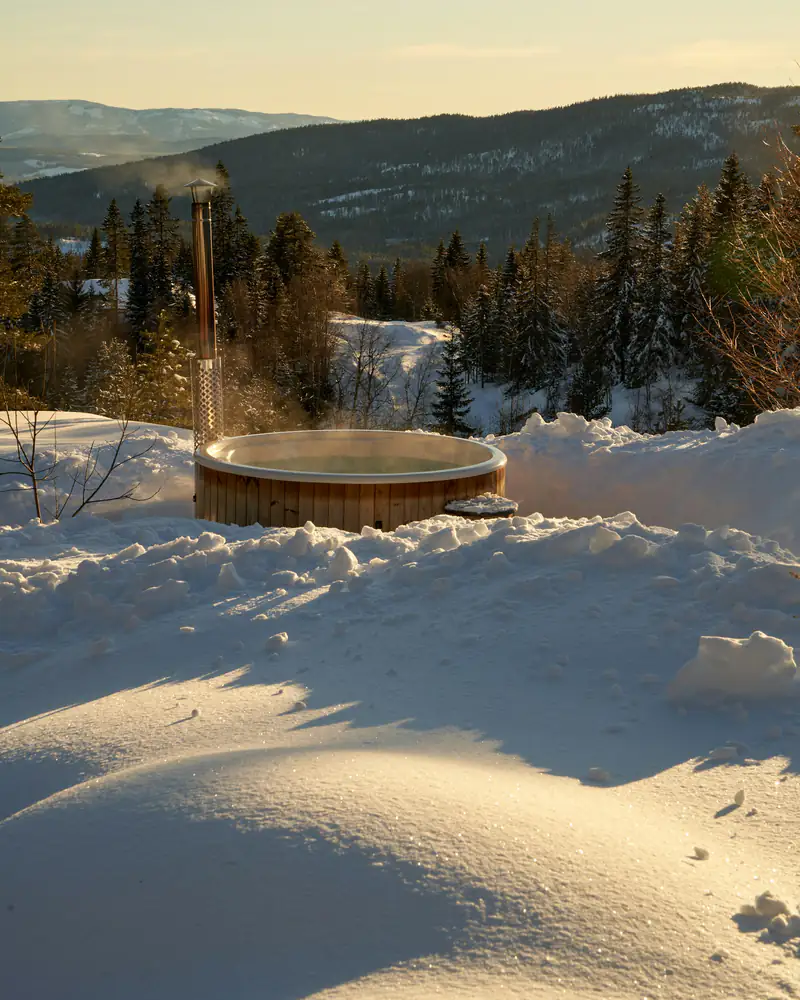
Solid timber, a crackling wood burner, water at 40 °C under the stars. Nordbada analyses, compares and selects the finest wood-fired hot tubs and outdoor saunas made in Europe, then puts you in touch with the best manufacturers.
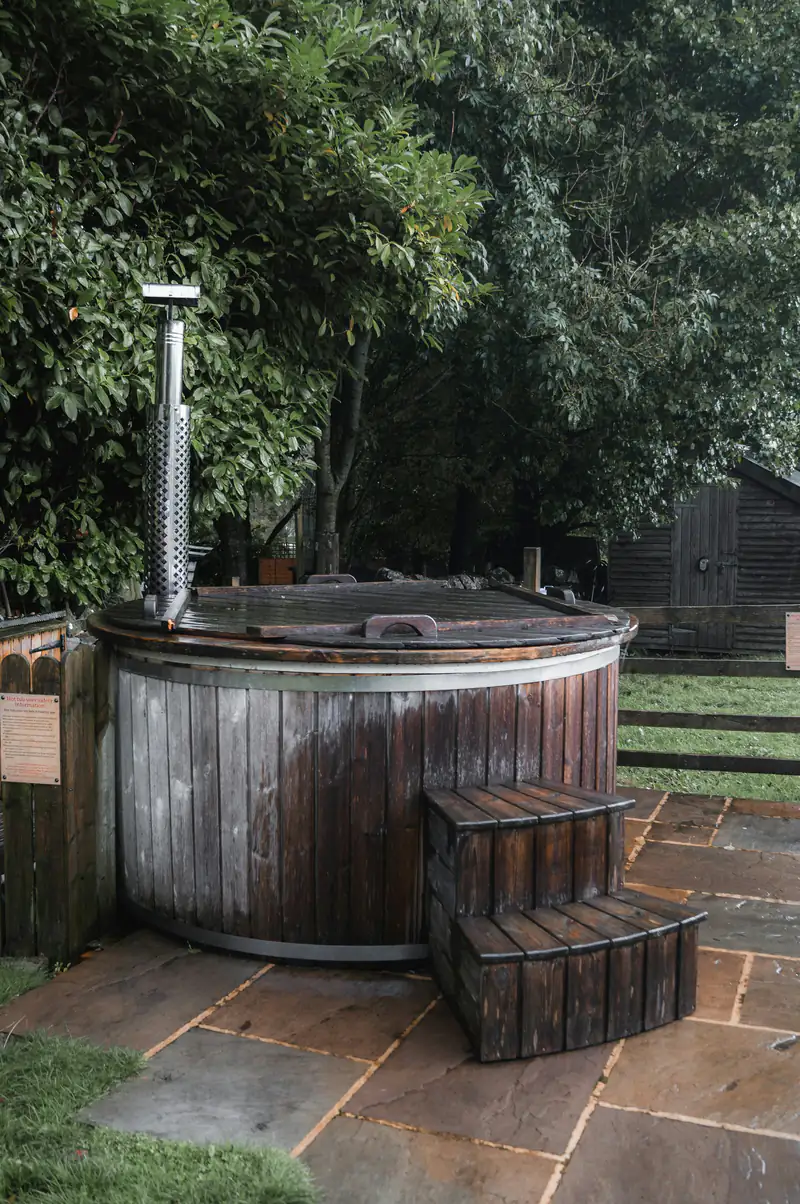
Our approach
A wood-fired hot tub deserves more than a product listing.
You will live with a hot tub for fifteen years, summer and winter. We treat it as a piece of design and wellbeing, not as a garden accessory.
- European manufacturers, documented materials
- Real prices, surveyed and dated, with no magic promises
- The same criteria for every model: tub, stove, insulation, warranty
- Independent advice, free for you
The Nordbada world
Choose your ritual.
A hot soak by the wood burner, a barrel sauna facing the lake, a hybrid tub ready on a weeknight: each world has its own codes, materials and reference manufacturers.
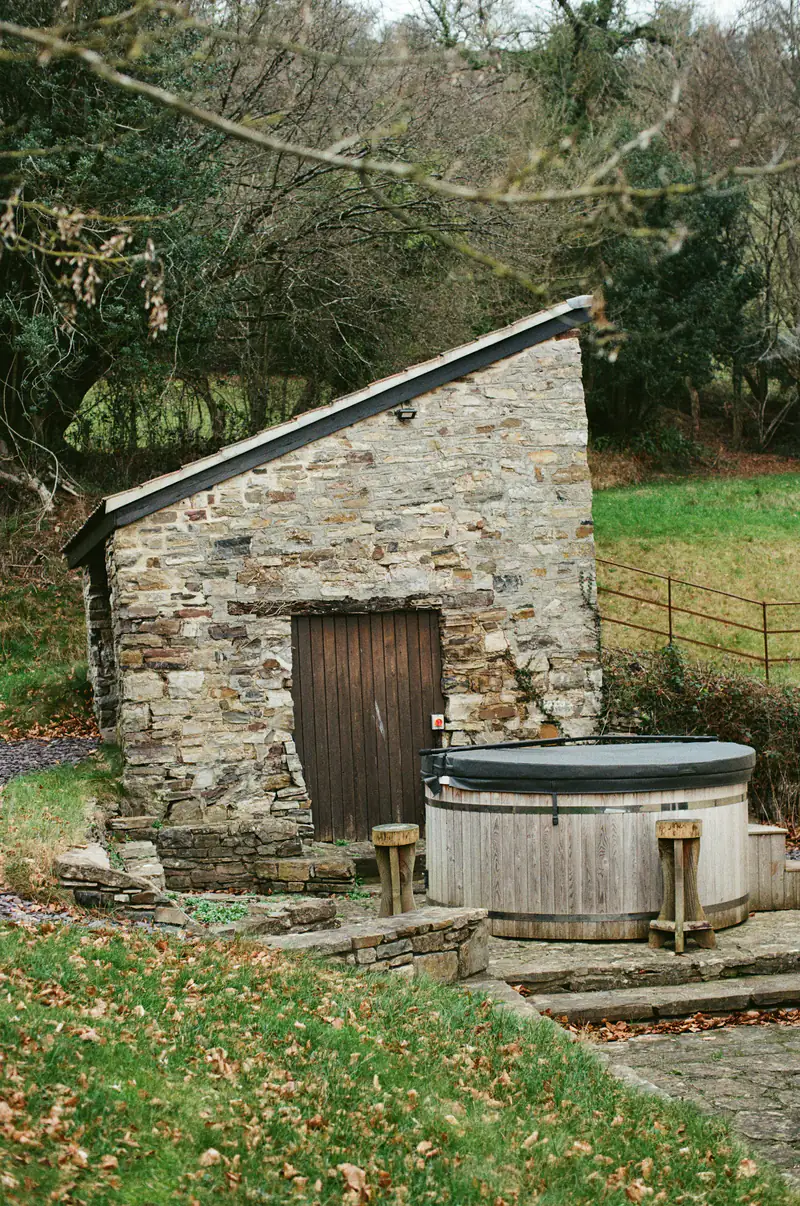
Wooden hot tubsSpruce, thermowood or red cedar: the authenticity of a real wood fire.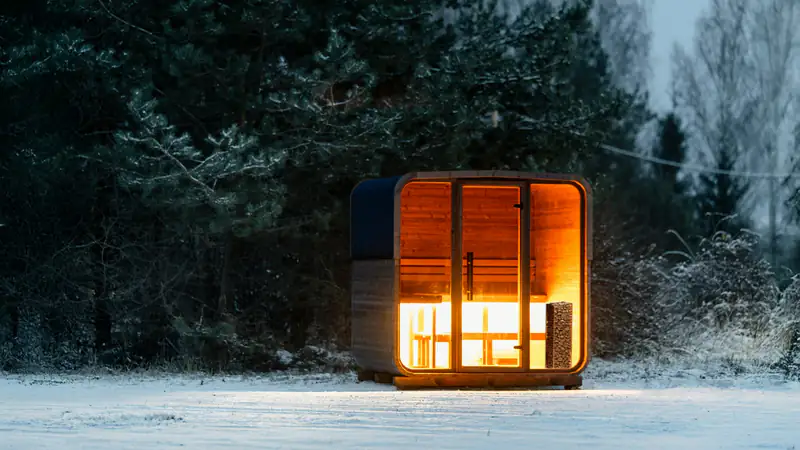 Outdoor saunasGlass-fronted cabins, wood-burning stoves, dry heat at the end of the garden.
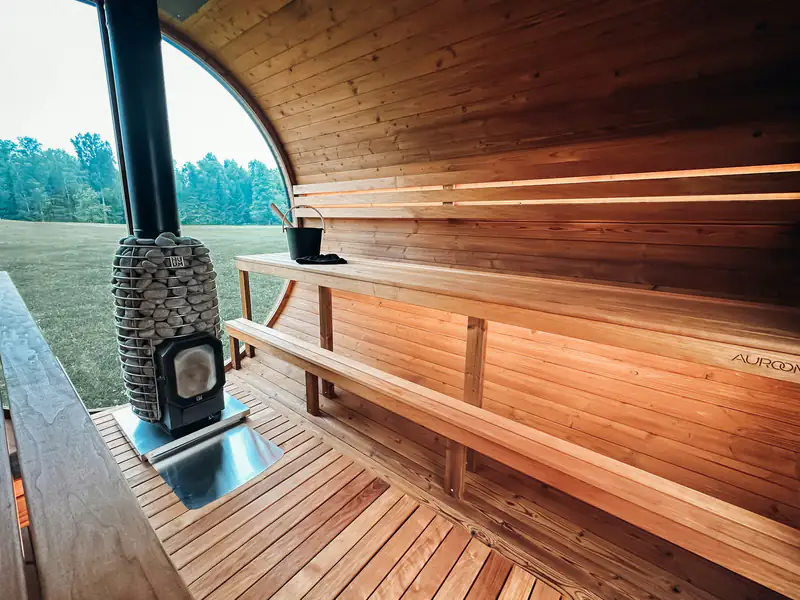
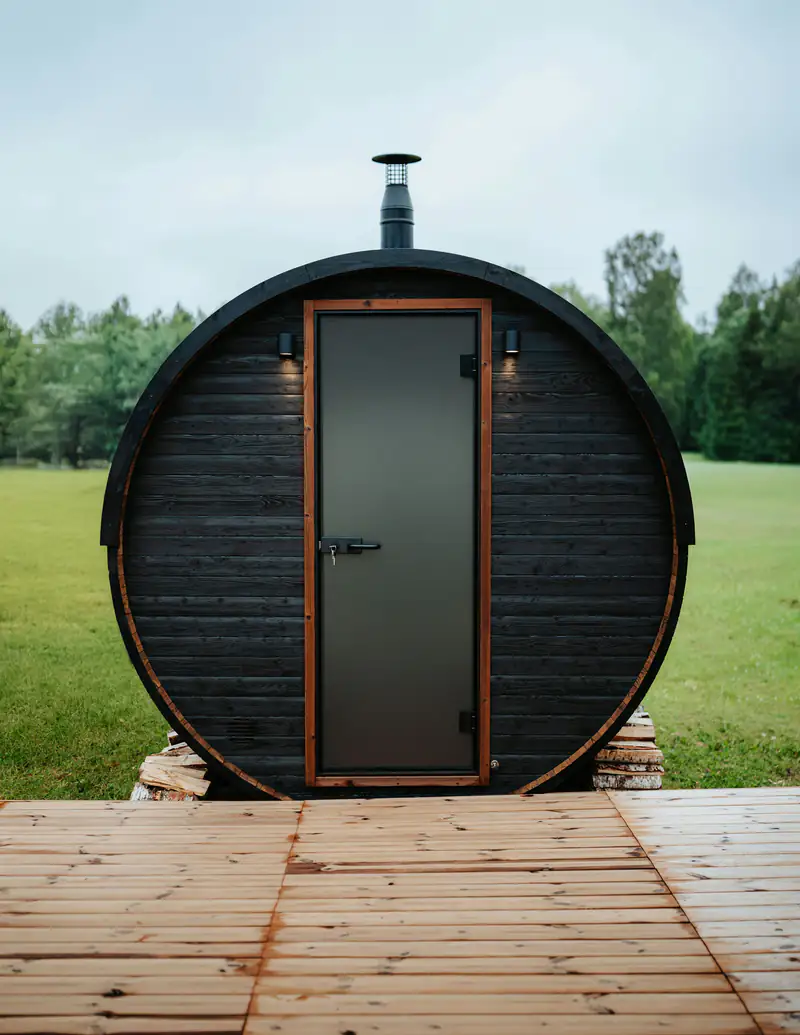 Barrel saunasThe iconic shape that heats quickly and fits almost anywhere.
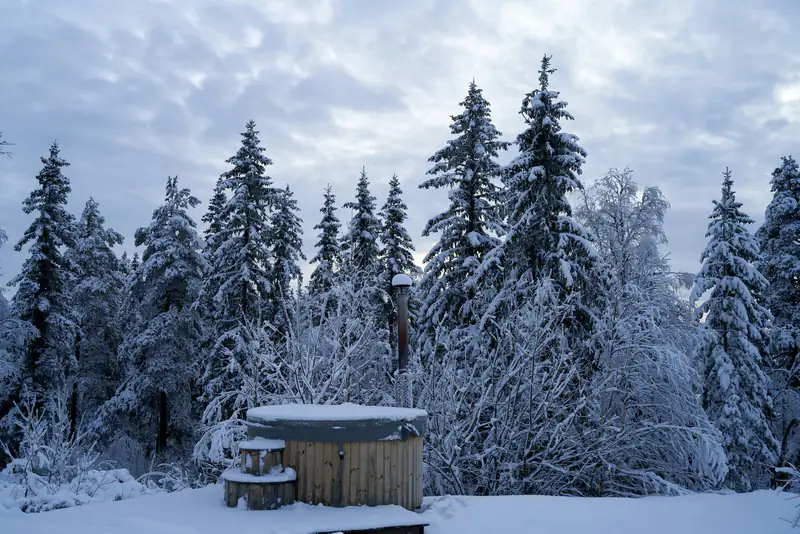 Electric & hybridThe comfort of scheduled hot water, without giving up on wood.
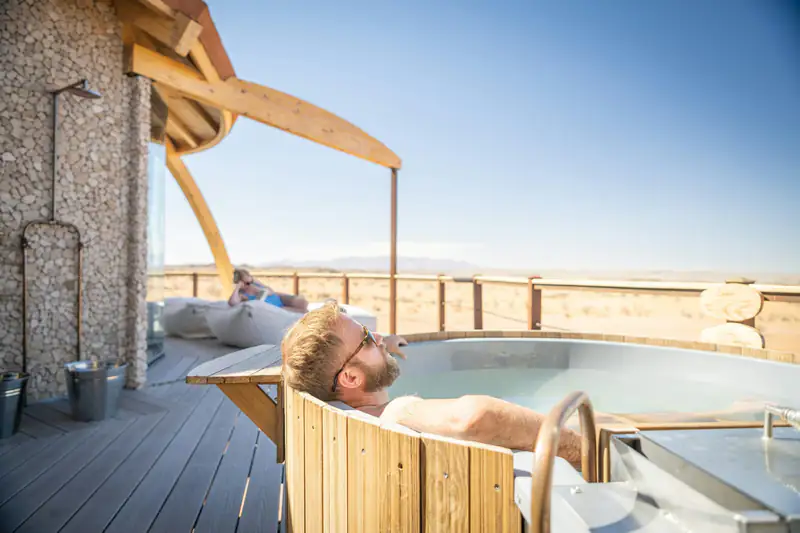 With hydromassage jetsWhere the wood-fired hot tub meets the spa.
 Swim spasSwim against the current at home, all year round.
2026 budget
What a wood-fired hot tub really costs.
Public price ranges from European manufacturers, before installation. Price depends mainly on size, tub material, heating and options. UK buyers: check delivery and any import VAT or duties since Brexit.
Entry level
€2,000–3,000
2 to 4 seats, simple timber or kit, basic stove.
Heart of the market
€3,000–5,000
4 to 6 seats, fibreglass or acrylic liner, timber cladding, integrated stove.
High end
€5,000–8,000
Jets, filtration, enhanced insulation, large formats.
Premium
€8,000+
Bespoke or workshop craftsmanship, fine woods, full equipment.
How it works
Three manufacturers. No cold calls.
A free service for you, funded by partner manufacturers when a sale goes ahead. You stay in control from the first exchange to the last.
- You describe your projectSeats, heating, budget, location: two minutes is all it takes.
- We selectOnly manufacturers that deliver to you and match your project receive your request.
- You compareManufacturers reply to you directly. You choose freely, with no obligation.
The Nordic ritual
Hot, cold, rest. Then repeat.
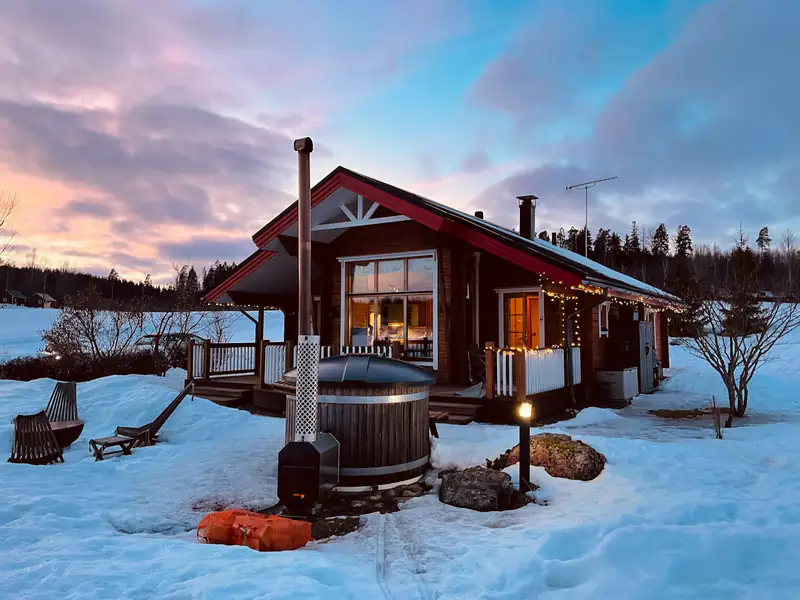
In Scandinavia, the hot tub, the sauna and the cold plunge form a single ritual. Our guides help you recreate it at home, from choosing the wood to looking after the water.
Read the guidesGuides
Everything to know before you invest.
Installation, maintenance, temperature, pros and cons: the essentials, checked and jargon-free.
Frequently asked questions
How much does a wood-fired hot tub cost?
Public prices range from around €2,000 for a small entry-level model to more than €8,000 for a premium or bespoke tub. The heart of the market sits between €3,000 and €5,000 for a 4–6 seat tub with a wood-burning stove. UK buyers should also check delivery costs and any import VAT or duties. See the full price breakdown.
Wood-fired hot tub or jacuzzi: what’s the difference?
A wood-fired hot tub is a deep tub, usually heated by a wood burner, with no motor and no bubbles as standard: it is all about silence and warmth. A jacuzzi is an electric spa with jets. Some wooden hot tubs offer jets as an option. Compare the two.
How long does a wood-fired hot tub take to heat up?
With a wood-burning stove, allow roughly 1.5 to 3 hours to reach 37–40 °C, depending on the volume of water, the type of stove, the insulation and the outside temperature. An electric model heats more slowly, but without supervision.
Do I need planning permission for a wood-fired hot tub?
A freestanding tub that is not fixed to the ground generally does not need permission. A slab, shelter or decking built specially for it may, however, fall under planning rules, particularly for listed buildings or in conservation areas: check with your local planning authority (your local council in Ireland). Read our installation guide.